
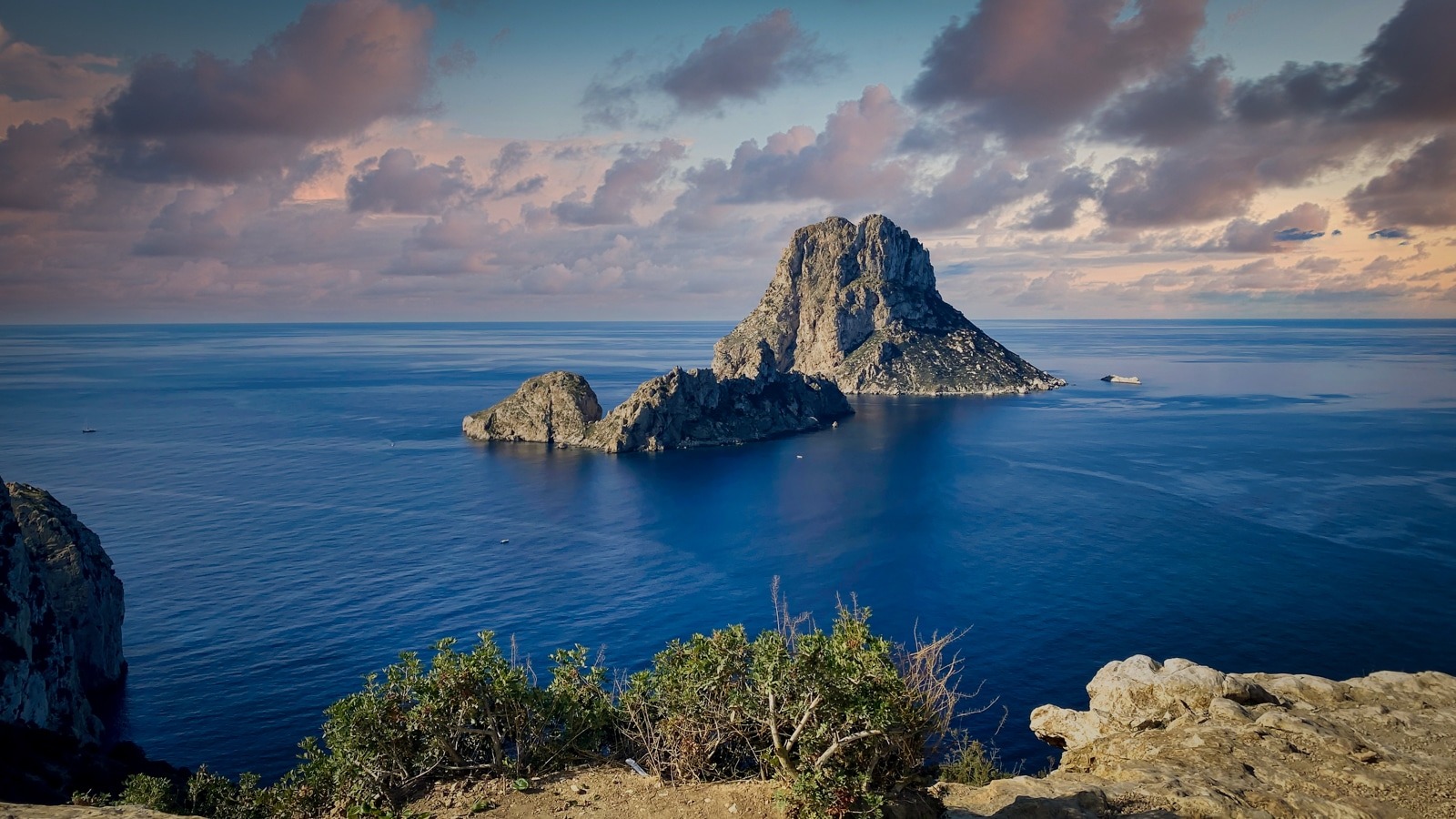
Introduction to Ibiza’s Es Vedrà Viewpoint Closure: A Paradise Under Pressure
Ibiza, the White Isle, has long been synonymous with sun-soaked beaches, pulsating nightlife, and breathtaking natural beauty. Among its most iconic landmarks is Es Vedrà, a towering limestone rock formation rising dramatically from the Mediterranean Sea, steeped in myth and revered for its spiritual allure. For decades, tourists have flocked to viewpoints overlooking Es Vedrà, particularly in the Cala d’Hort area, to capture its majestic silhouette against the sunset. However, as of early 2025, access to these beloved vantage points has been abruptly halted. Local residents, fed up with the consequences of overtourism, have taken matters into their own hands, blocking roads, closing parking areas, and sparking a heated debate about the island’s future.
This article dives deep into the closure of the Es Vedrà viewpoints, exploring the reasons behind the residents’ actions, the impact of tourism on Ibiza, alternative ways to experience this natural wonder, and what this standoff means for the island’s delicate balance between preservation and prosperity. By the end, you’ll understand why this isn’t just a local skirmish but a microcosm of a global challenge facing popular destinations.
The Es Vedrà Viewpoint Crisis: What Happened?
In late February 2025, reports emerged that landowners and residents in the Cala d’Hort de Sant Josep region had physically blocked access to the viewpoints overlooking Es Vedrà. Large rocks were placed in front of unofficial parking areas, pedestrian paths were obstructed, and entry to popular spots like the Savinar watchtower was restricted. The move was a bold statement from a community exhausted by the relentless influx of visitors.
The Es Vedrà viewpoint, particularly the s’Era des Mataret vantage point, has long been a magnet for tourists. Social media has amplified its fame, with Instagram posts and travel blogs touting it as a must-visit spot. But this surge in popularity has come at a cost. Residents report a litany of issues: excessive traffic clogging narrow roads, litter strewn across the protected landscape, unauthorized parties disrupting the peace, and even safety incidents requiring emergency rescues. The tipping point came after years of unregulated tourism, culminating in high-profile incidents like the alleged illegal rave hosted by DJ Diplo in 2024, which drew hundreds to the fragile site.
Rather than waiting for official intervention, locals acted decisively. Their goal? To force authorities to address the chaos and implement sustainable solutions. As one resident told a local outlet, “We’re not against tourists—we just want rules that protect our home.”
Why Es Vedrà Matters: A Natural and Cultural Treasure
To understand the stakes, it’s worth exploring why Es Vedrà holds such significance. Rising 413 meters (1,355 feet) from the sea, this uninhabited rock is part of a protected natural park, home to unique flora and fauna. Its rugged beauty has inspired legends—some say it’s the tip of the lost city of Atlantis, others claim it’s a hotspot for UFO sightings. Its magnetic properties and serene isolation have made it a pilgrimage site for spiritual seekers and artists alike.
The viewpoints on mainland Ibiza, such as those near Cala d’Hort and Torre des Savinar, offer unparalleled vistas of Es Vedrà, especially at sunset when the rock glows against the horizon. For locals, it’s more than a photo op—it’s a symbol of their island’s heritage. But the influx of visitors has turned reverence into recklessness, with reports of vandalism, unauthorized alcohol sales, and even wedding parties held without permits.
Overtourism in Ibiza: A Growing Crisis
The closure of the Es Vedrà viewpoints is just one chapter in Ibiza’s broader struggle with overtourism. The island, with a resident population of around 150,000, welcomes over 3 million visitors annually, a figure that’s steadily climbed as budget airlines and social media have made it more accessible. While tourism fuels the economy—supporting jobs in hospitality, nightlife, and services—it’s also strained infrastructure and priced locals out of housing. In May 2024, over 1,000 residents protested in the streets, decrying the loss of their quality of life.
Cala d’Hort, a tranquil corner of the island, has borne the brunt of this pressure. Narrow roads designed for local traffic now see convoys of rental cars, while pristine landscapes are marred by trash and overcrowding. The Es Vedrà closure echoes similar actions worldwide, from Venice’s entry fees to Barcelona’s anti-tourism graffiti. Ibiza’s residents aren’t alone in feeling like second-class citizens in their own home.
The Residents’ Case: Safety, Preservation, and Frustration
Local voices paint a vivid picture of the tipping point. One landowner near Cap Blanc explained that the lack of regulation has led to multiple accidents, including falls from cliffs and injuries requiring helicopter rescues. “People don’t realize how dangerous it can be,” they said, pointing to the absence of barriers or signage. Another resident highlighted the environmental toll: “We find bottles, plastic bags, even human waste. This is a protected area, not a party zone.”
The 2024 Diplo incident, where the American DJ allegedly hosted an unsanctioned event at the viewpoint, was a flashpoint. Promoted on social media, it drew crowds that left behind debris and sparked outrage. Ibiza police launched an investigation, but for many locals, it was too little, too late. They argue that without proper oversight—regulated parking, designated pathways, and facilities like toilets—the situation will only worsen.
Importantly, residents insist their actions aren’t meant to alienate visitors. Instead, they’re a plea for authorities to step in with a long-term plan. “We want people to enjoy Es Vedrà,” one said, “but not at the expense of our island.”
The Tourism Industry’s Response: A Balancing Act
Ibiza’s tourism sector, a powerhouse of the island’s economy, faces a dilemma. The Es Vedrà closure threatens to dent the island’s appeal, especially for day-trippers and nature lovers. Hoteliers and tour operators worry about negative publicity, with some arguing that the blockade could deter visitors at a time when competition from other Mediterranean destinations is fierce.
Yet there’s also acknowledgment that change is needed. Yann Pissenem, CEO of The Night League (which oversees nightlife giants like Ushuaïa and Hï Ibiza), has long championed sustainable tourism. While his focus is on the club scene, his sentiments resonate: “Ibiza thrives on its magic, but we have to protect it.” Some operators are pivoting, promoting alternative viewpoints or boat tours to Es Vedrà, which allow visitors to experience its beauty without overwhelming the land.
Alternative Ways to Experience Es Vedrà
For those determined to see Es Vedrà, the closure doesn’t mean the end of the journey—just a shift in perspective. Here are some viable alternatives:
- Boat Tours: Departing from ports like Sant Antoni or Ibiza Town, these excursions offer stunning views of Es Vedrà from the water. Many include stops for swimming or snorkeling, providing a closer connection to the rock’s mystique.
- Cala d’Hort Beach: While the upper viewpoints are blocked, the beach below still offers a distant but beautiful perspective. Pair it with a meal at Es Boldado restaurant, a local favorite known for its seafood and vistas.
- Hiking Routes: Seasoned hikers can explore lesser-known trails on the western coast, such as those near Es Cubells. These require more effort but reward with quieter, crowd-free glimpses of the rock.
- Torre des Savinar from a Distance: Though the tower itself is restricted, nearby public roads still provide partial views. Check local maps for accessible spots that avoid private land.
These options reflect a growing trend: sustainable tourism that respects both nature and residents. Visitors are encouraged to plan ahead, respect signage, and leave no trace.
The Bigger Picture: Lessons from Es Vedrà
The Es Vedrà standoff is more than a local spat—it’s a case study in the global overtourism crisis. Destinations like Santorini, Machu Picchu, and Bali face similar pressures, with communities wrestling to reclaim their spaces. In Ibiza, the closure underscores a critical question: How can popular places preserve their essence while remaining open to the world?
For now, the ball is in the authorities’ court. Residents hope their actions will prompt the creation of an official viewpoint with infrastructure to manage crowds safely. Proposals include paid parking, shuttle services, and guided tours—measures that could generate revenue while easing tensions. Without such steps, the risk of permanent closures or further conflicts looms large.
What’s Next for Es Vedrà and Ibiza?
As of March 15, 2025, the Es Vedrà viewpoints remain inaccessible, with no immediate resolution in sight. Local media report mixed reactions: some tourists sympathize with the residents’ plight, while others lament the loss of a bucket-list experience. On platforms like X, sentiment ranges from support for the blockade to frustration over restricted access, reflecting the polarized views on tourism’s role in Ibiza.
The island’s government has yet to announce concrete plans, though pressure is mounting. With the 2025 summer season approaching—highlighted by residencies from DJs like Carl Cox at [UNVRS] and The Martinez Brothers at Hï Ibiza—stakeholders know that a solution must balance economic gains with environmental and social needs.
For visitors, the message is clear: Ibiza’s magic endures, but it demands respect. Whether through alternative viewpoints or a reimagined approach to tourism, Es Vedrà’s future hinges on collaboration between locals, officials, and the millions who adore this island paradise.
Conclusion: A Call to Action
The closure of Ibiza’s Es Vedrà viewpoints is a wake-up call—not just for the White Isle, but for every destination teetering on the edge of overtourism. It’s a reminder that beauty, once taken for granted, can be lost to neglect or excess. As travelers, we have a role to play: to tread lightly, support local voices, and advocate for sustainability.
Have you visited Es Vedrà or faced similar restrictions elsewhere? Share your thoughts below. For the latest updates on Ibiza’s tourism policies and travel tips, stay tuned—this story is far from over.


